Painted, Not Bought
Keep · Venice
Venice sells a million masks. This is the one I made.
An Object — Ca’ Macana · Words & pictures ENROUTE · Four-minute read
Why It Matters
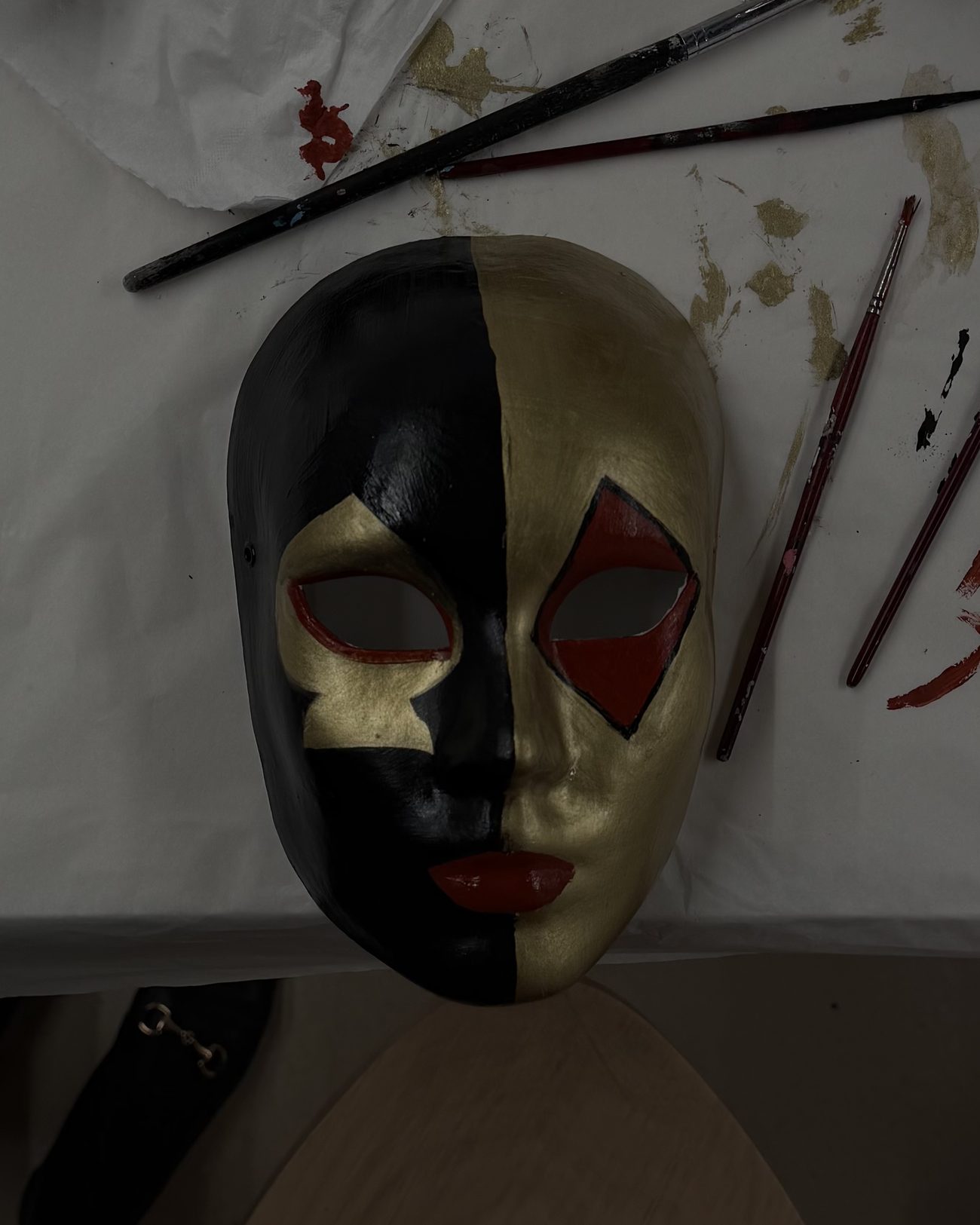
Most things you carry home from Venice are forgotten by the time you unpack — a magnet, a plastic mask from a stall, a photo of a bridge you can’t name. The ones worth keeping are the ones you had a hand in. This one I painted myself, in an afternoon, at a workshop that has been making faces since 1984.
The City
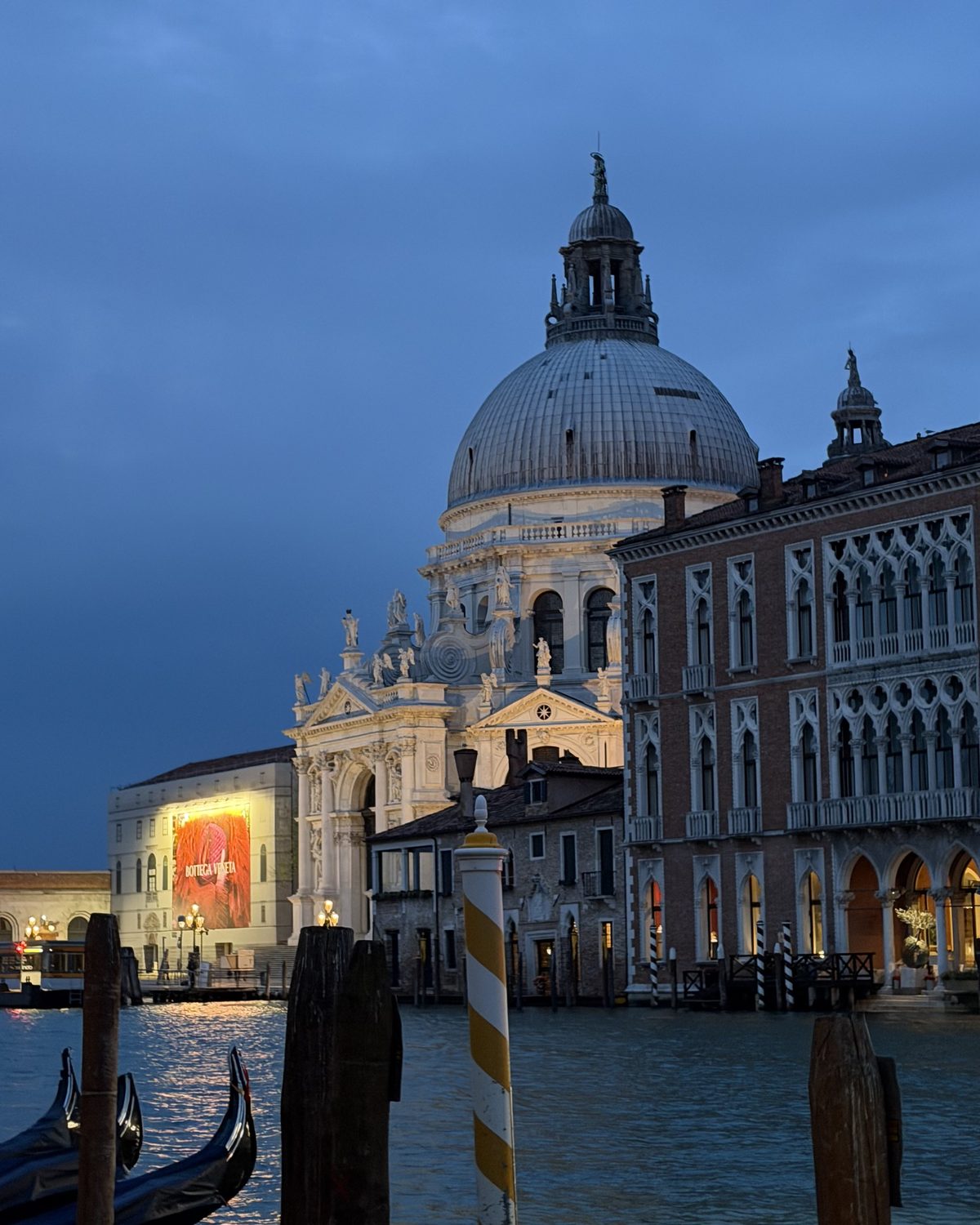
It only counts in Venice. The Salute, the flat water, the light going blue at dusk — the part of the afternoon no shop can sell you, and the reason the object means anything at all.
The Place
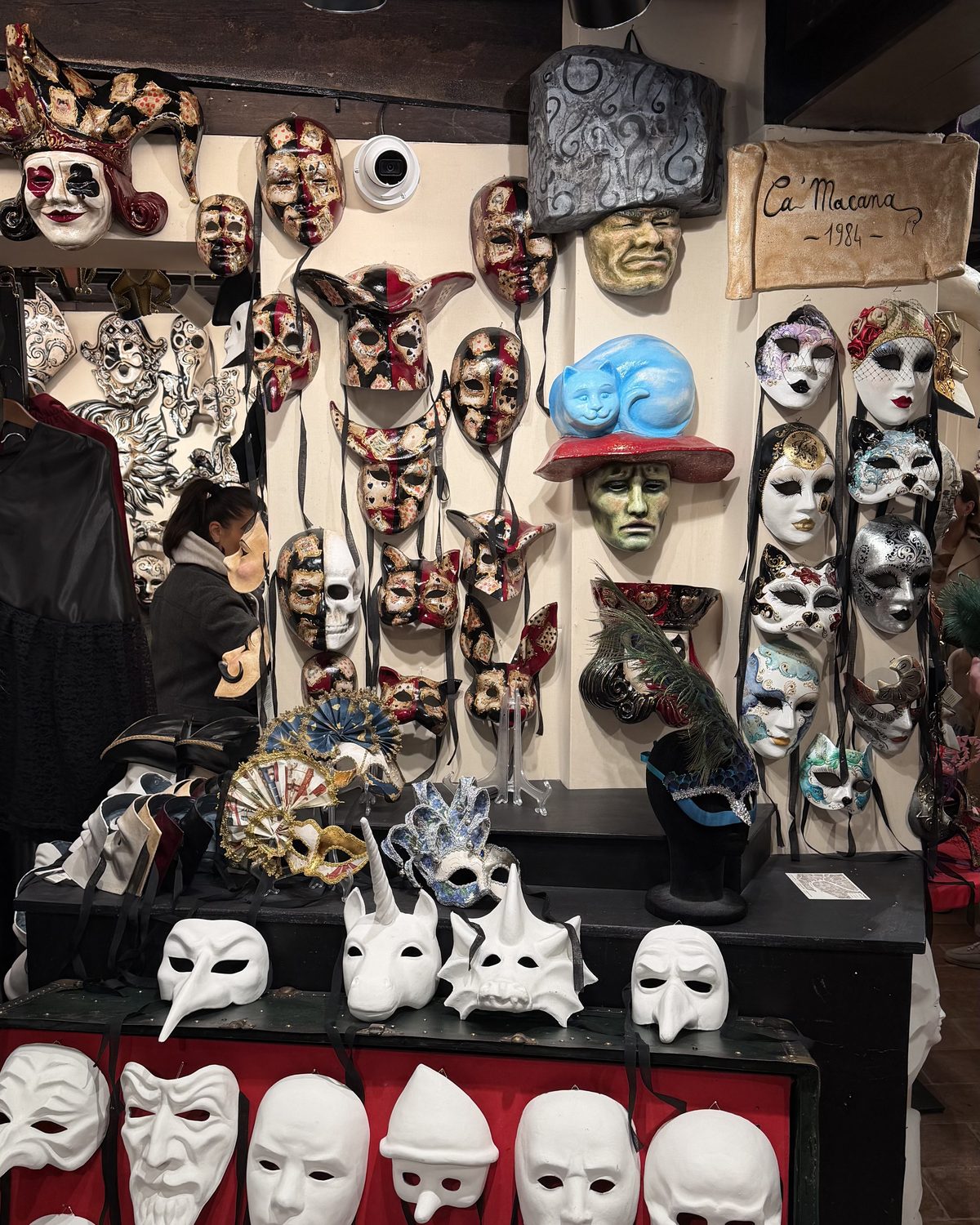
Ca’ Macana began in 1984, when the only masks in Venice were cheap plastic and a student named Mario Belloni started selling handmade ones on the street at night. Forty years on, every piece is still papier-mâché, pressed by hand over a plaster mould. Kubrick borrowed from here for Eyes Wide Shut. You can walk in and make your own.
A Short History
For most of its life the Venetian mask was not a costume but a permission. Worn for months of the year, it erased rank — noble and servant, suddenly unreadable to each other. The bauta let you eat, drink and speak unrecognised; the moretta, a black oval, kept a woman silent, held to the face by a button bitten between the teeth. The Republic kept narrowing the rules until the tradition all but vanished — gone for two centuries, revived only when Carnival returned in 1979.
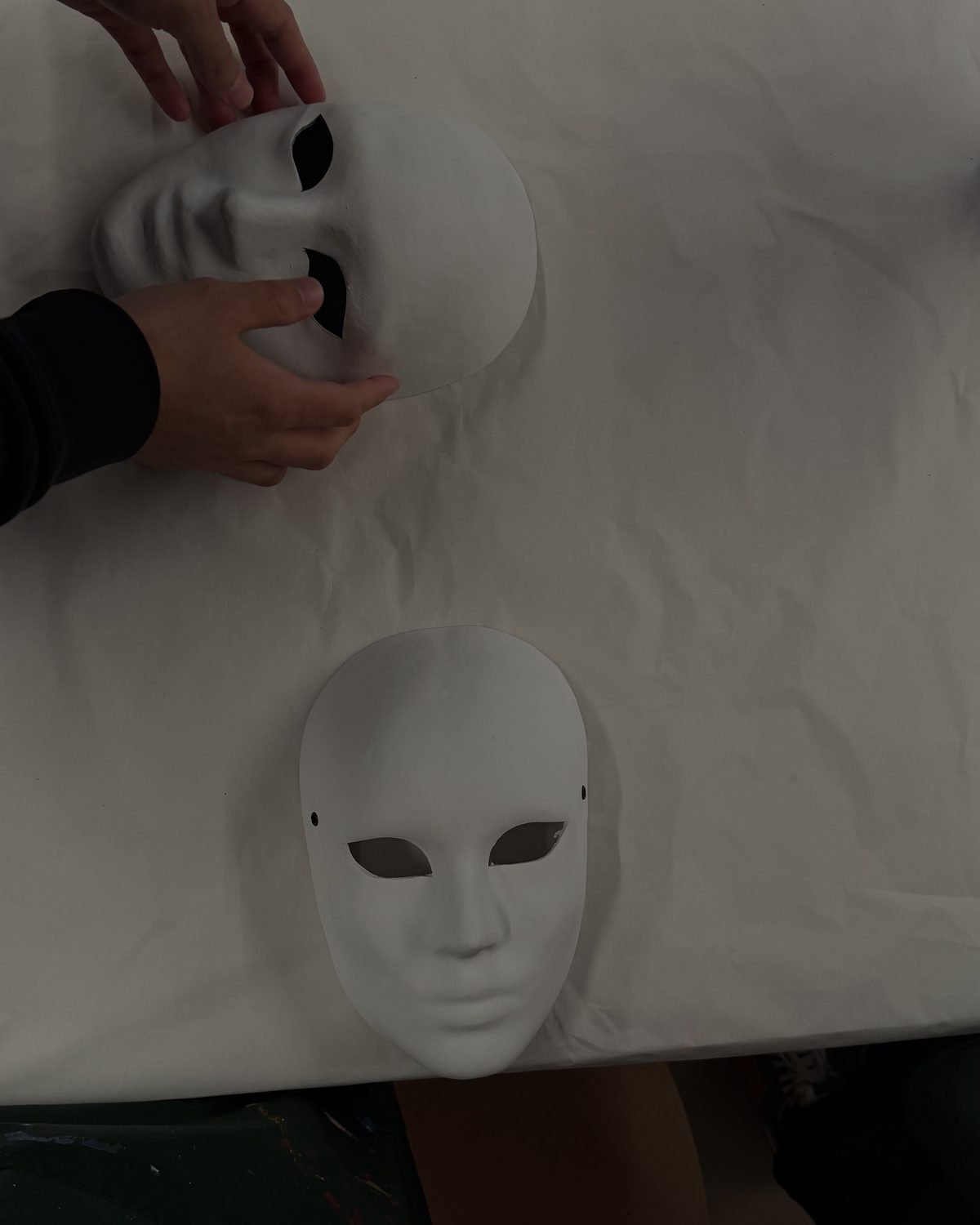
The Blank
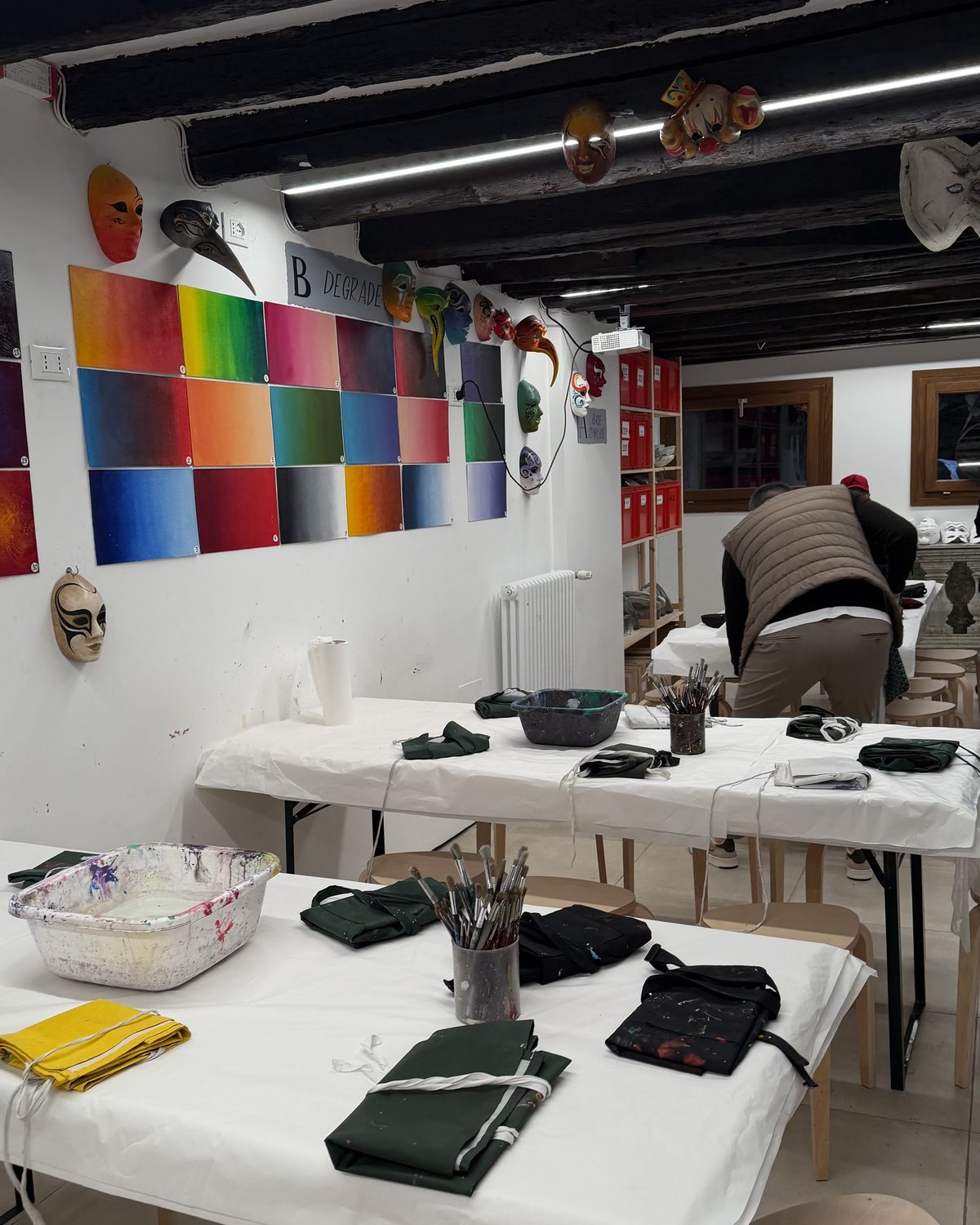
Twenty masks on the table. Everyone begins with the same face. Ten minutes later, nobody is making the same thing.
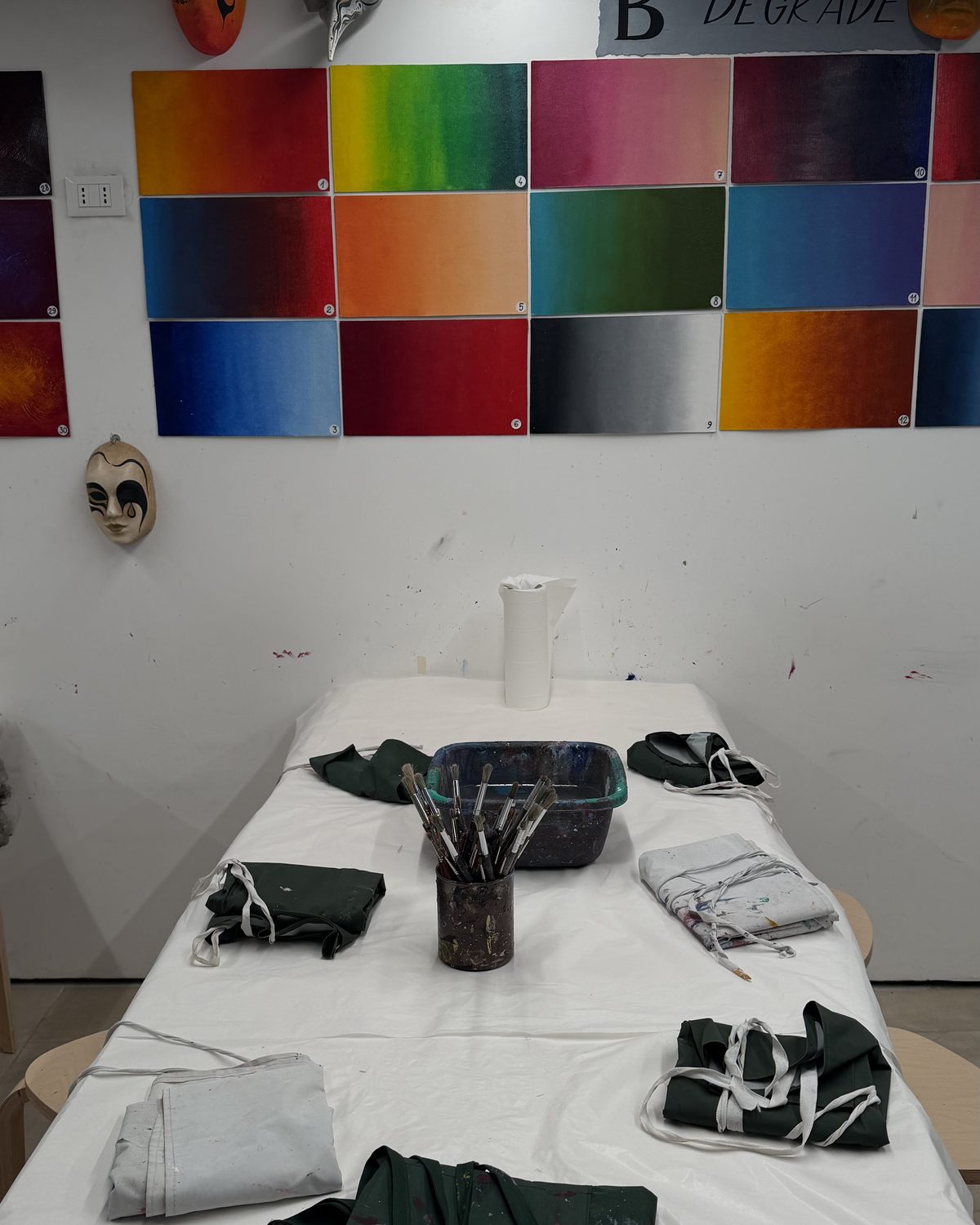
The Making
On the wall, a grid of colour fades — the chart you mix against. You choose, you commit, you can’t undo. An hour of leaning in, breath held over the thin lines, paint drying faster than you’d like. Harder than it looks, and better for it.
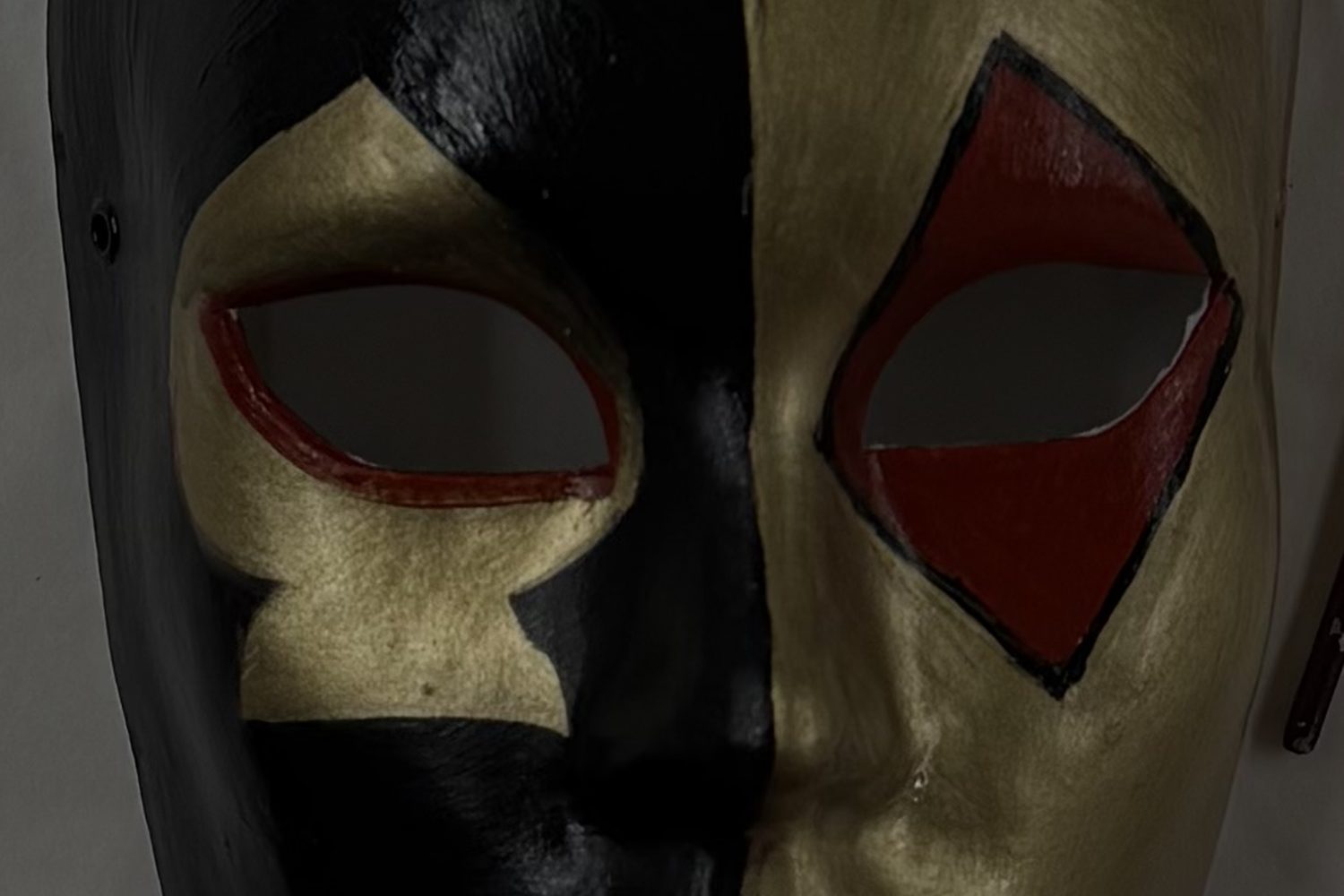
The Face
Black on one side, gold on the other; a red diamond at one eye, a gold spade at the other, and a mouth I didn’t plan. Up close you can see every stroke — which is the point. It isn’t perfect. It’s mine.
The ENROUTE Verdict
Worth Keeping. Because the best thing you bring back is the one you couldn’t have bought.
The Notes
- Where: Ca’ Macana, Dorsoduro, Venice — Calle de le Botteghe.
- Since: 1984. Papier-mâché, pressed by hand over a plaster mould.
- The course: A few hours, booked ahead. All ages; no skill required.
- Bring home: One blank face, painted yours. It packs flat in tissue.